
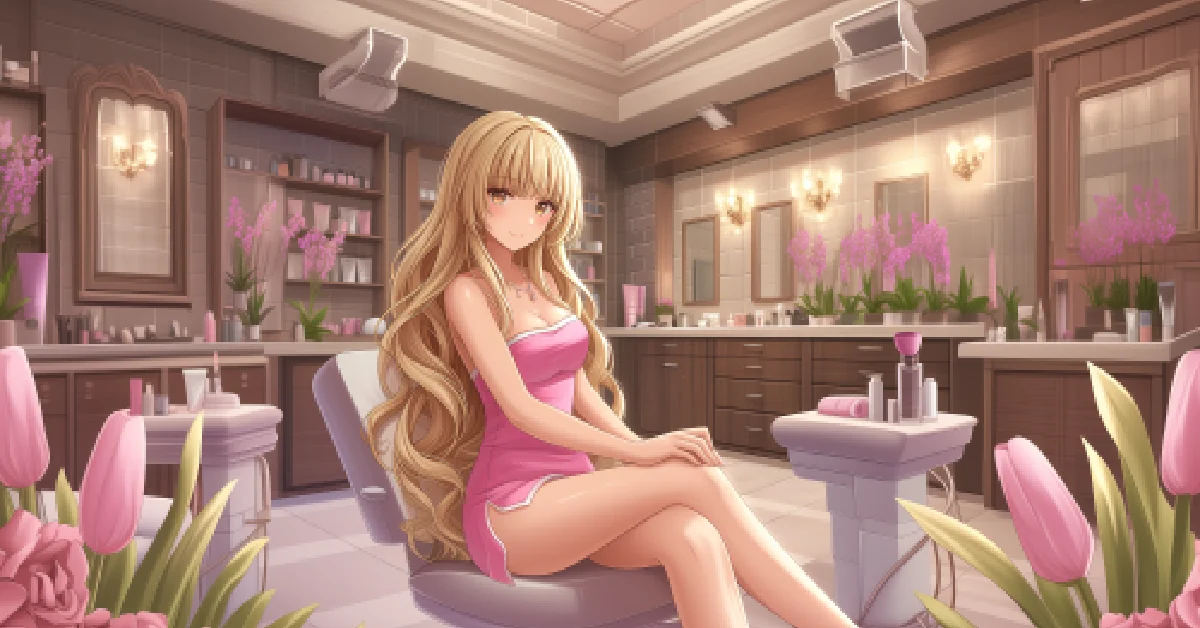
In the world of anime culture, doujen moe is an interesting term that brings together two unique concepts: “doujin” and “moe.” If you’re curious about what makes doujen moe special, this article breaks it down in simple terms. We’ll explore what doujin is, what moe means, how they come together, and why fans are drawn to doujen moe works. Whether you’re new or familiar with anime culture, this guide will give you a clear picture of this fascinating crossover.
What is Doujin?
Doujin refers to self-published works created by fans or amateurs, mostly in Japan. These can be manga, novels, games, or even music—all made outside of the mainstream publishing industries. Doujin culture thrives on creativity and allows individuals or groups to produce fan-made content inspired by popular series or entirely original ideas.
Usually sold at conventions or online, doujin works give creators the freedom to experiment and express their unique style. Because these works are often unofficial, they cover a wide range of themes and genres, including parodies and alternative storylines of existing anime or manga. Doujinshi—the manga form of doujin—are especially popular among fans who want to dive deeper into their favorite characters’ stories or create new ones altogether.
What Does Moe Mean?
Moe (pronounced “mo-eh”) is a Japanese slang term used to describe a strong feeling of affection or adoration towards fictional characters, mainly in anime, manga, or video games. It’s not just liking a character; it’s a deep, often protective emotional response that fans experience. Moe characters are typically cute, innocent, or endearing in a way that sparks feelings of warmth and attachment.
This feeling can relate to various character traits, from shy and clumsy personalities to cheerful and pure-hearted ones. Moe characters often embody “cuteness” or evoke a sense of nostalgia and tenderness. Over time, moe has become more than just a feeling—it’s a recognized style and aesthetic in anime culture, influencing character design and storytelling.
How Doujin and Moe Come Together
Doujen moe blends these two concepts by focusing on fan-made doujin works that highlight or revolve around moe themes. In other words, they are self-published stories or art featuring moe characters or emphasizing the emotional appeal that moe brings.
Because doujin works are created by fans for fans, there’s great freedom to explore and play with moe elements in creative ways. This could mean taking a beloved moe character from an existing series and imagining new scenarios, or inventing fully original moe characters and stories. Doujinshi often add warmth, humor, or extra detail to those characters, making them even more lovable.
Many doujin creators are passionate about expressing their affection for moe characters, and their works become a platform to connect with like-minded enthusiasts who share the same love for these character types.
Why Fans Love Doujen Moe
The charm of doujen moe stems from its combination of DIY creativity and emotional connection. Fans appreciate doujen moe works because they’re heartfelt and personal. These creations often feel more intimate than mainstream media since they come directly from fans deeply invested in the source material or moe culture.
Doujinshi and other fan works allow people to celebrate their favorite characters in ways official works may not cover. It’s this close-knit, community-driven aspect that makes doujen moe special. Fans find joy in both creating and consuming these fan-made stories, which often feature the unmistakable moe charm that touches their hearts.
Communities form around doujen moe, whether at conventions, online forums, or social media groups. Sharing these works and discussing them helps keep the flame for moe culture burning bright among fans worldwide.
What Makes Doujen Moe Different?
What sets doujen moe apart is the raw, unrestricted creativity that happens when fans produce their own moe-infused content. Unlike official anime or manga, doujin works don’t have to follow tight industry rules or censor content. They can be quirky, funny, or deeply emotional, often filled with the unique style and voice of individual creators.
This freedom leads to a huge variety of doujen moe works—from lighthearted slice-of-life stories to playful parodies or even deeply touching character explorations. Some doujin creators specialize in particular character archetypes or genres within moe, adding layers to the culture.
Because doujin creators are often young and enthusiastic, their energy fuels ongoing innovation in how moe characters are portrayed and loved. This makes doujen moe a dynamic and evolving part of fan culture.
Current Trends in Doujen Moe
The rise of the internet and digital platforms has given doujen moe a boost in recent years. Online marketplaces and social networks allow creators to share their work with a global audience more easily than ever.
Also, technological advances have enabled ambitious doujin creators to produce high-quality art, music, and even games that celebrate moe aesthetics. This expansion has helped doujen moe grow beyond Japan’s borders into international fandoms.
Popular conventions dedicated to doujinshi and moe culture serve as hubs for creators and fans to meet, collaborate, and promote new doujen moe works. These events highlight the vibrant community and ongoing passion that keeps doujen moe alive and thriving.
Conclusion
Doujen moe represents a unique intersection of two beloved aspects of anime culture: the fan-driven world of doujin and the emotionally engaging concept of moe. Together, they create a space where fans can express their love for cute, endearing characters through original and fan-made works.
Whether through doujinshi manga, music, or games, doujen moe offers heartfelt creativity and warmth that both creators and fans cherish. This niche may not be mainstream, but its impact on anime and fan communities is undeniable.
If curious about the world of anime fandom, doujen moe is a fascinating gateway to discovering how affection and creativity merge into something truly special.
