
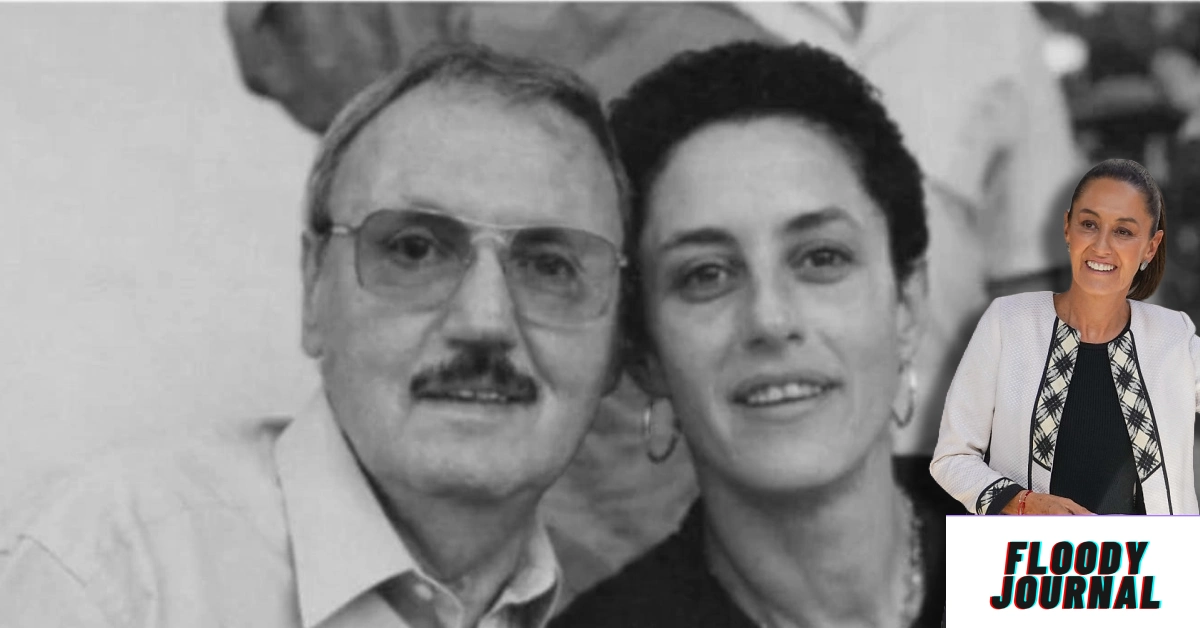
Carlos Sheinbaum Yoselevitz was a Mexican chemical engineer, entrepreneur, and early political thinker. Though his name isn’t widely known, his life and work laid important foundations — both industrial and personal — that influenced his daughter, Claudia Sheinbaum, who in 2024 made history as Mexico’s first woman president. This article explores his origins, career, values, and the legacy he left behind.
Early Life and Family Roots
Carlos was born on February 25, 1933, in Guadalajara, Jalisco, Mexico. His family background carries deep stories of immigration and resilience. His ancestors were part of a wave of Ashkenazi Jewish immigrants who moved from Lithuania to Mexico in the late 1920s, seeking safety and new opportunities. Growing up in a household shaped by immigrant experiences gave Carlos a sense of identity rooted in perseverance and hope.
That immigrant legacy blended with political awareness early on. His parents and extended family carried memories of hardship and struggle, which inspired values of community, solidarity, and fairness. Those values — even before Carlos chose his career — helped shape the person he would become.
Education and Early Activism
As a young man, Carlos pursued higher education, studying chemical engineering. He attended top institutions in Mexico, developing a strong foundation in science and technology. During his university years, he also became interested in social issues and joined the youth wing of left-leaning political movements, reflecting the spirit of the times — a period when many young people in Mexico questioned inequality and sought change.
This combination of scientific training and social awareness stayed with him. He believed that progress meant both innovation and responsibility toward people. That dual vision would shape his career choices and later influence how he raised his own children.
Building Mexico’s Leather Tanning Industry
In the mid-20th century, leather was a key material in Mexico for clothing, furniture, footwear, and other goods. But until then, many of the chemicals needed to tan leather had to be imported. Carlos saw potential for local manufacturing. He teamed up with fellow engineers and co-founded a company aiming to produce tanning chemicals domestically. This was a bold move — but one rooted in ambition and national pride.
Under his technical and managerial leadership, the company became the first in Mexico to produce basic chromium sulfate, a vital chemical used widely in leather tanning. Over the next decades, the business expanded, offering more chemicals and meeting growing domestic demand. As a result, many Mexican leather workshops no longer needed to rely on foreign imports.
Carlos’s efforts did more than build a business: they helped modernize an important industry. New tanning methods raised quality, reduced costs, and created jobs. Leather goods — from shoes to jackets to furniture — began to come from local workshops supported by improved materials. In regions known for leather craftsmanship, this made a big difference.
Leadership in Industry and Professional Standards
Beyond running his company, Carlos became a respected figure among professionals in his field. He helped organize technical forums and gatherings where engineers, chemists, and industry workers came together to share best practices, safety standards, and innovations. Through those events, he pushed for better training, safer production methods, and more professional standards in the tanning sector.
His leadership helped transform leather tanning from an informal craft into a more structured industry. This professionalization improved working conditions, improved quality of products, and boosted the reputation of Mexican leather goods both at home and abroad.
Family, Values, and Cultural Roots
In 1960, Carlos married Annie Pardo Cemo, a molecular biologist. The union blended shared scientific interests and deep respect for heritage and social conscience. Together they raised three children: Julio, Claudia, and Adriana. Their home was rooted in immigrant stories, love for learning, and concern for justice — a mix that fostered curiosity, empathy, and a sense of purpose.
The family’s cultural identity — rooted partly in Ashkenazi Jewish tradition — was enriched by conversations about history, science, fairness, and social change. While their home was modern and secular, it carried a heritage of remembering struggles, valuing knowledge, and rooting for progress. That upbringing left a mark on their children, especially Claudia.
Passing and enduring Legacy
Carlos Sheinbaum Yoselevitz passed away on August 29, 2013, in Mexico City, at the age of 80. By then, his contributions to industry and values had already rippled across his family and beyond. He may not have become a household name, but his influence remained — quietly powerful.
His company had helped build a national industry. More importantly, through devotion to science, fairness, and community, he left a moral and intellectual legacy. In his children, especially in Claudia, those roots would grow into public service and leadership.
Why Carlos Sheinbaum’s Story Matters in 2025/2026
As of 2025, Claudia Sheinbaum serves as President of Mexico — a historic moment as the first woman to hold the office. Her leadership has reignited interest in her personal and family background. Understanding her father’s journey helps us appreciate the values she brings to the presidency.
- Heritage and identity: Carlos’s immigrant background symbolizes resilience, adaptation, and hope — traits that echo in Claudia’s story.
- Industry and national development: By helping build the leather tanning industry, Carlos contributed to Mexico’s manufacturing strength — a legacy of economic self-reliance.
- Values and upbringing: A home grounded in science, justice, and social awareness naturally shaped a worldview focused on community, equality, and progress.
- Intergenerational impact: From immigrant grandparents to an engineer-entrepreneur father to a national leader daughter — the arc shows how opportunity, dedication, and values can shape generations.
Quick Facts at a Glance
| Attribute | Detail |
|---|---|
| Full Name | Carlos Sheinbaum Yoselevitz |
| Born | February 25, 1933 — Guadalajara, Jalisco, Mexico |
| Died | August 29, 2013 — Mexico City, Mexico |
| Education | Chemical Engineering (Mexico) |
| Major Achievement | Co-founded first Mexican company to produce basic chromium sulfate for leather tanning |
| Industry Contributions | Helped build and professionalize the leather tanning industry in Mexico |
| Spouse | Annie Pardo Cemo (molecular biologist) |
| Children | Julio, Claudia, Adriana |
| Heritage | Ashkenazi Jewish immigrant roots; family background of resilience and adaptation |
Frequently Asked Questions Who was Carlos Sheinbaum Yoselevitz?
He was a Mexican chemical engineer and entrepreneur who helped build Mexico’s leather tanning industry. His work changed how the country produced tanning chemicals, boosting local manufacturing and reducing reliance on imports.
What is his connection to current leadership in Mexico?
He is the father of Claudia Sheinbaum, Mexico’s first female president. His upbringing, values, and background helped shape her worldview and commitment to public service.
Why is his story being revisited now?
With growing interest in Claudia’s roots and background as president, people are looking back to understand the influences that shaped her — including her father’s life, work, and principles.
How did his work impact Mexican industry?
By producing essential tanning chemicals domestically and promoting modern industry standards, he helped transform a traditional craft-based sector into a more organized, quality-driven industry — creating jobs and supporting local businesses across Mexico.
What values did he pass on to his children?
A love for science, respect for heritage, belief in social justice, and dedication to work. These values, instilled at home, helped guide his children — especially Claudia — toward meaningful contributions in society.
Conclusion
Carlos Sheinbaum Yoselevitz may not be widely known, but his life story holds quiet power. From immigrant roots to engineering innovation, from industry leadership to raising children with values grounded in science and justice — his journey speaks to the potential of resilience, hard work, and purpose.
As Mexico moves forward under new leadership in 2025, remembering figures like Carlos helps us appreciate the deeper stories behind public figures — and how family, heritage, and personal history shape the path of nations. His legacy lives on in the industry he helped build, but more importantly, in the values his children carry forward.
